
5 Gentle Exfoliants to Refresh Your Skin for Spring

Spring is officially here 🌺 — and your skin has some catching up to do. After months of cold air, heavy creams, and barrier-battling temperatures, dullness and uneven texture are completely normal. The solution? A gentle, consistent exfoliation routine that clears away the old skin and makes room for a fresh, glowing complexion. Below, we’ll go into the basics of exfoliation, plus five gentle exfoliants worth adding to your spring shelf.
Jump to:
What Is an Exfoliant — and What Are the Different Types?
Exfoliating is the process of removing dead skin cells from the outermost surface layer of your skin. Done correctly, it can leave your skin looking even, smooth, and soft. There are two main categories to know:
Physical exfoliants use texture — like fine powders or soft beads — to manually buff away dead skin cells. The best gentle physical exfoliants skip rough, irregular particles that risk damage to your skin’s surface and instead go for smooth beads or low-level botanical support.
Chemical exfoliants dissolve dead skin cells using acids or enzymes. The main subtypes are AHAs (alpha hydroxy acids) like lactic and glycolic acid, which work on the skin's surface to brighten and smooth; BHAs (beta hydroxy acids) like salicylic acid, which penetrate deeper into pores and work well for oily or acne-prone skin; and PHAs (polyhydroxy acids). PHAs are hydrating, larger in molecular size than AHAs or BHAs, and work primarily on the skin's surface without penetrating pores as deeply — making them the most gentle option and particularly good for sensitive skin.
How to Exfoliate Your Face
When it comes to exfoliation, less is more. For physical exfoliants, use them on damp skin with light circular motions, then rinse well. Always follow with hydration to maintain balance. If you’re using chemical exfoliants like toners or serums, apply it to clean, dry skin and allow the product to absorb fully before layering any other products. After exfoliation, applying a moisturizer with hyaluronic acid or glycerin can help lock in moisture and soothe the skin. And remember, always follow up with SPF in the morning, as freshly exfoliated skin is more vulnerable to UV damage.
How Often Should You Exfoliate Your Face?
How often you should exfoliate your face depends on your skin type and the product you're using. But it is generally recommended to exfoliate one to three times a week, where sensitive skin types should stay on the lower end of that range. If your skin is on the more reactive side, or if you’re new to exfoliation, it’s good to aim to exfoliate just once a week (at least to start) to prevent irritation while keeping your skin healthy. Then, if your skin seems to handle exfoliation well, you can consider gradually starting to increase the frequency at which you exfoliate.
However, if you notice redness, dryness, or increased sensitivity, that's your skin's way of telling you to dial it back on the exfoliation as over-exfoliation can compromise your skin barrier and lead to chronic sensitivity, breakouts, and inflammation. So it’s super important to start slow and listen to your skin until you find a routine that works for you.
5 Gentle Exfoliant Product Recommendations
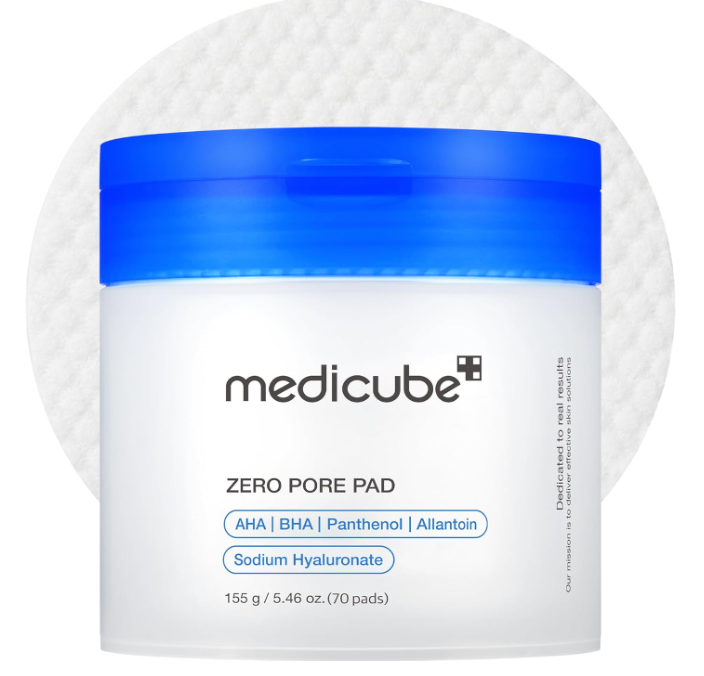
These toner pads are a dermatologist-favorite gentle exfoliant that combine the ease of a pre-soaked pad with the efficacy of targeted pore-refining AHAs and BHAs. These pads work on sensitive skin, and are designed to sweep away dead skin cells, excess sebum, and surface impurities without disrupting the skin's natural moisture barrier.
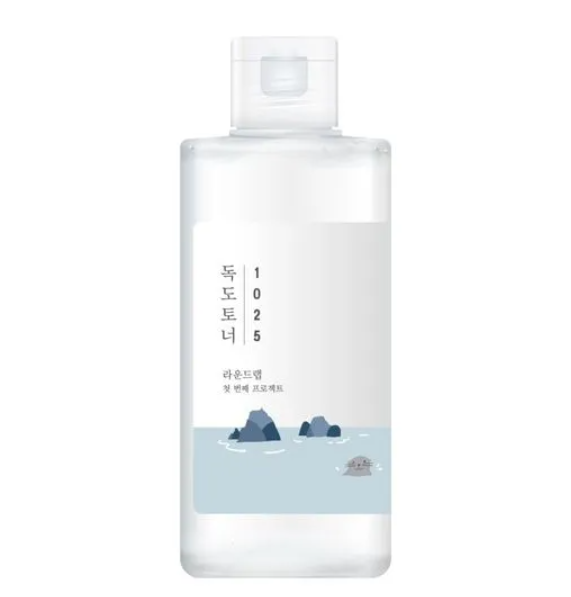
This cult favorite toner feels like water on your skin, and proves that gentle exfoliation and deep hydration can coexist in one lightweight, water-like formula. Ingredients like protease and sugarcane extract break down surface proteins to remove dead cells, promote cell renewal, and gently brighten the skin. Meanwhile, Panthenol, Allantoin, and Betaine help calm any post-exfoliation sensitivity, making this toner gentle enough for daily use.
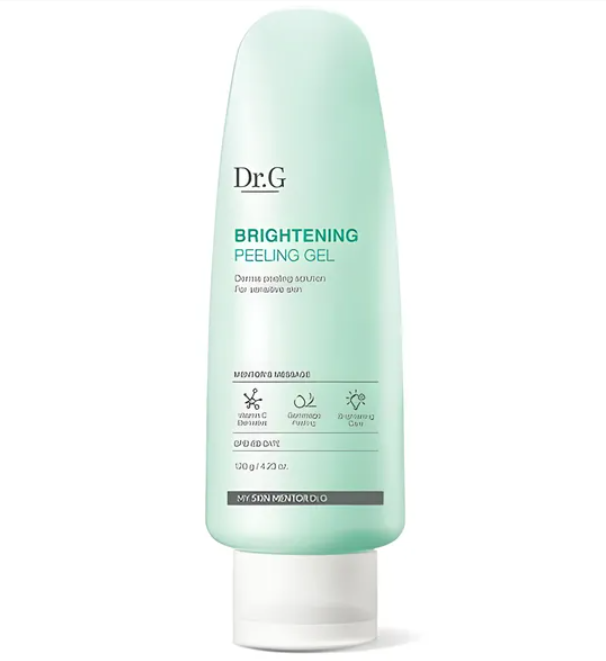
This Peeling Gel is a super effective, yet gentle, physical exfoliant (and a personal favorite!). Its star exfoliating ingredient is natural cellulose, used in a blend of low, medium, and high particle sizes to physically remove dead skin cells without causing irritation. It's also enriched with brightening and soothing agents including Willow Bark Extract, Vitamin C, Honey Extract, and Hollyhock Extract to target dullness and hyperpigmentation while keeping skin calm and hydrated.
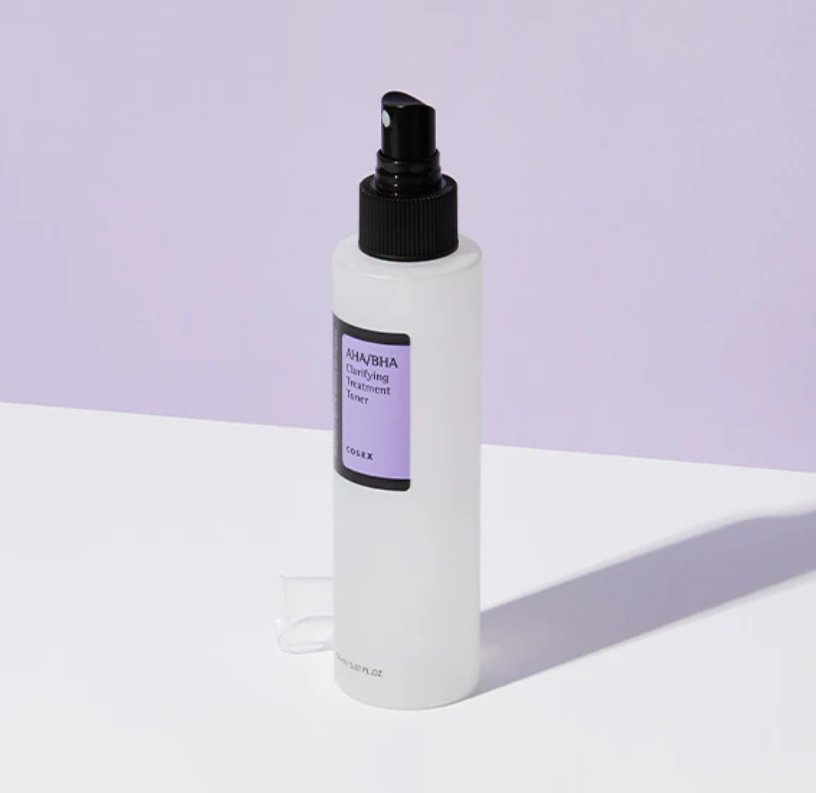
This is a beginner-friendly chemical exfoliant with three key exfoliating ingredients: Willow bark water, Apple fruit water, and glycolic acid, which works on the skin's surface to smooth, soften, and brighten over time. It also contains Betaine Salicylate, a gentler BHA alternative to pure salicylic acid that clears congested pores without penetrating as deeply, making it a great option for those with sensitive skin.
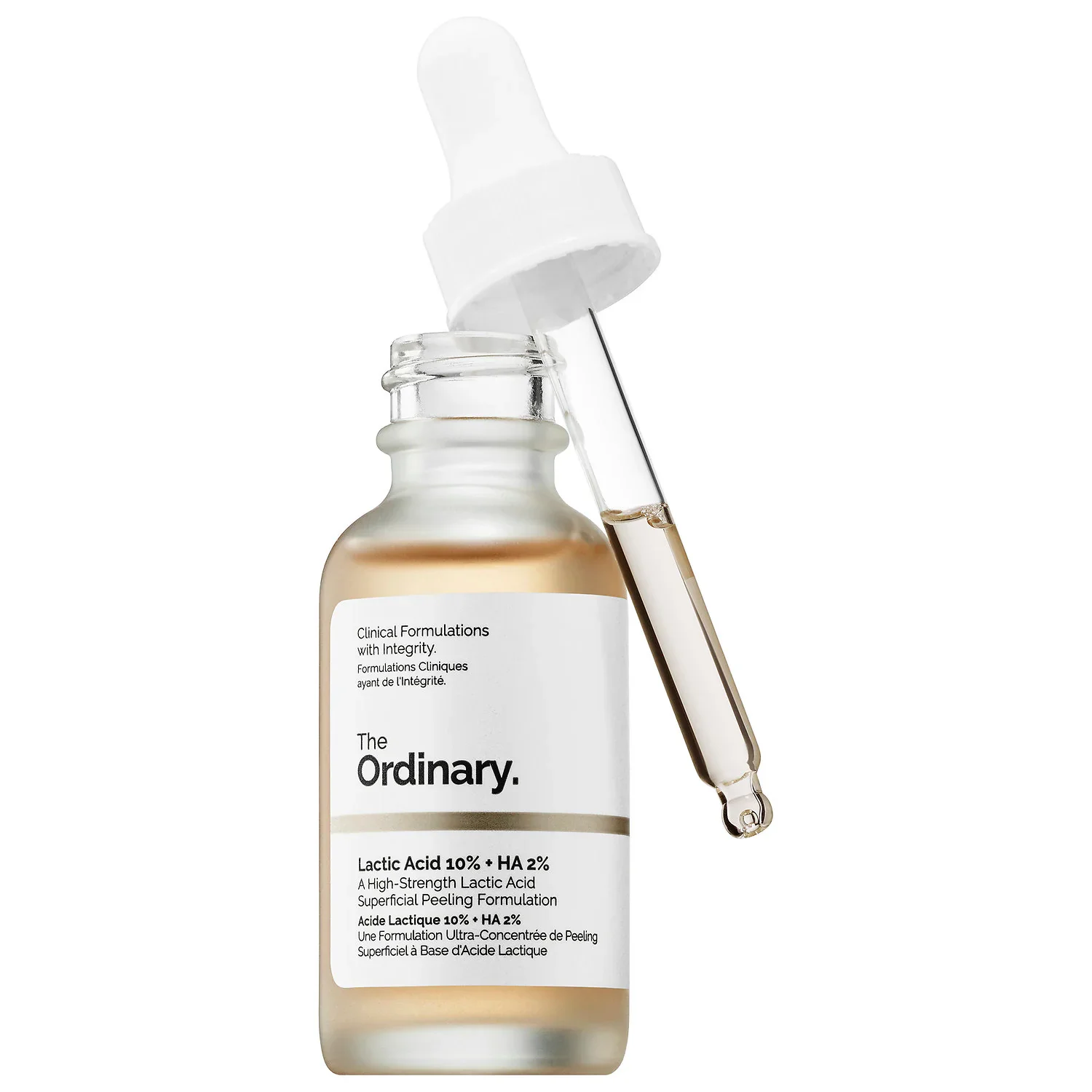
This is the first exfoliant I ever tried - and I still love it. It’s both accessible and effective, while being budget-friendly for those just getting into exfoliants. It's main star is Lactic Acid, an AHA that is notably less irritating than other AHAs like glycolic acid. The formula is further cushioned by Sodium Hyaluronate and Tasmanian Pepperberry Extract, for multi-depth hydration and reduced redness and sensitivity that can sometimes accompany acid use.
Spring is the perfect moment to reset your routine — and exfoliation is the most effective way to get there. Hopefully one of the recs above can be the perfect one for you!